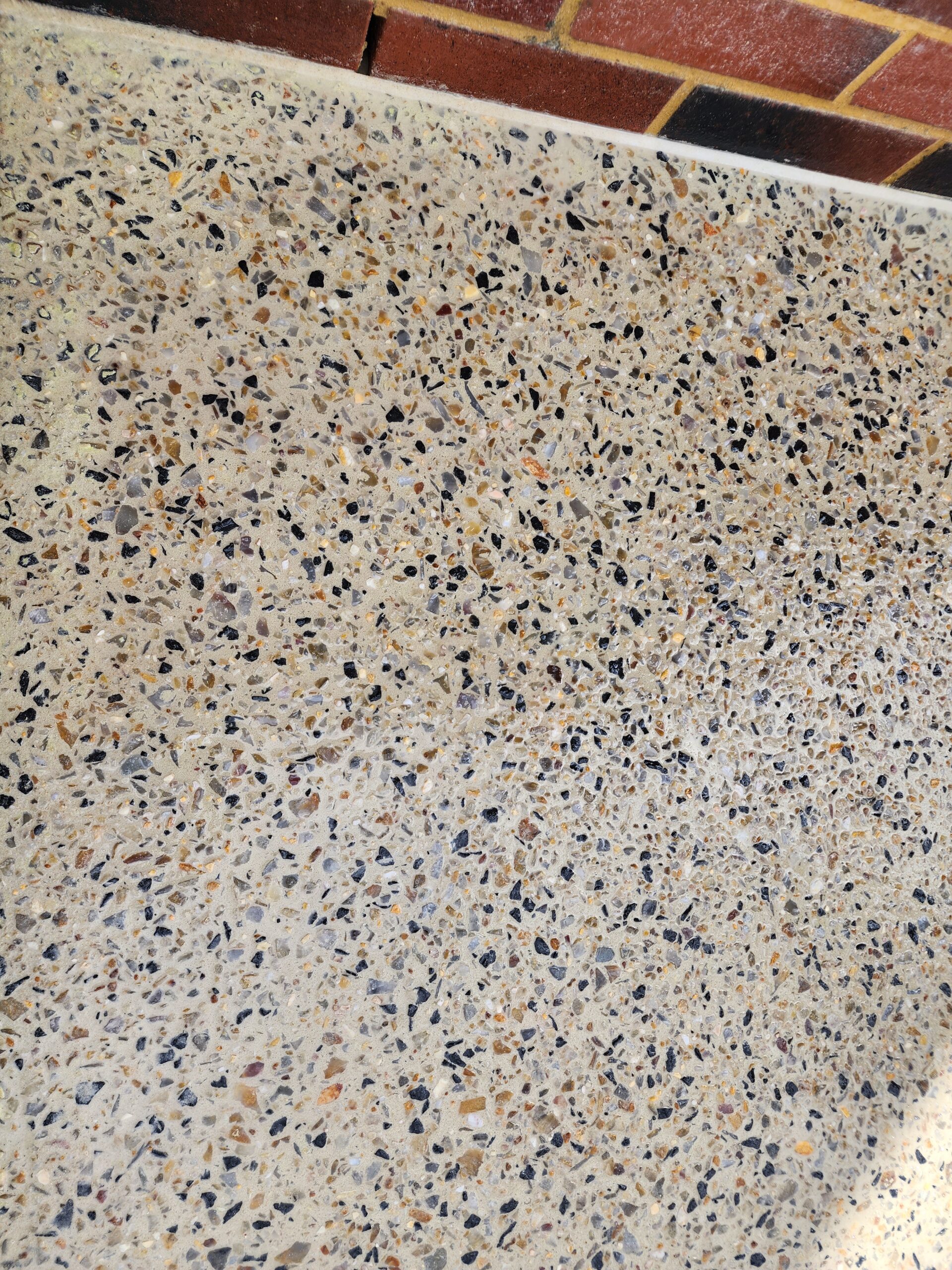
Exposed aggregate concrete is a durable and attractive choice for driveways, patios, pathways and outdoor areas, but regular care is needed to preserve its appearance and strength. How to Maintain Exposed Aggregate Concrete involves routine cleaning, proper sealing, preventing stains and addressing minor issues before they become costly repairs.
In Australian homes, exposed aggregate surfaces are exposed to harsh sunlight, changing weather conditions, vehicle traffic and everyday outdoor use. With the right maintenance approach, your concrete can continue looking fresh while resisting wear, cracking and surface deterioration for many years.
Why Exposed Aggregate Concrete Needs Regular Maintenance
Unlike plain concrete, exposed aggregate concrete has a decorative surface created by revealing natural stones within the concrete mix. This unique finish adds texture and visual appeal, but the exposed stones and surface pores can collect dirt, moisture and contaminants if neglected.
Regular maintenance helps protect against:
- Oil, grease and chemical stains from vehicles
- Mould and mildew growth in shaded areas
- Fading caused by UV exposure
- Surface erosion from weather and heavy use
- Cracks caused by moisture penetration and temperature changes
At Vidac Construction, quality concrete finishes are designed with durability in mind, but ongoing care from property owners plays an important role in maintaining the original finish.
How to Maintain Exposed Aggregate Concrete Properly
The best way to protect your exposed aggregate surface is by following a simple maintenance routine. Small efforts completed regularly can prevent major problems and extend the life of your concrete.
1. Clean the Surface Regularly
Dirt, leaves, dust and organic debris should be removed regularly using a broom, leaf blower or gentle pressure washing method. Allowing debris to remain on the surface for long periods can lead to staining and moisture retention.
For general cleaning:
- Sweep the surface regularly to remove loose dirt.
- Wash with clean water when required.
- Use a mild concrete cleaner for stubborn marks.
- Avoid harsh chemicals that may damage the finish.
Pressure washing can be effective, but excessive pressure may loosen surface aggregate over time. Always use appropriate settings and techniques when cleaning decorative concrete.
2. Apply a Quality Concrete Sealer
One of the most important steps in How to Maintain Exposed Aggregate Concrete is applying a suitable sealer. Concrete sealers create a protective barrier that helps reduce staining, water absorption and surface wear.
A quality sealer can also enhance the colour of the aggregate, making the stones appear richer and more vibrant. Depending on the product used and the amount of traffic, resealing is generally recommended every few years.
The correct sealing process involves:
- Thoroughly cleaning and drying the concrete
- Choosing a suitable penetrating or decorative sealer
- Applying the product evenly
- Allowing adequate curing time before use
For larger residential or commercial areas, professional sealing can help achieve a consistent finish and avoid patchy results.
Protecting Exposed Aggregate Concrete from Damage
Prevention is one of the easiest ways to maintain your concrete surface. Many common issues can be avoided with simple changes to how the area is used.
Consider these practical protection tips:
- Remove oil spills quickly before they penetrate the surface.
- Avoid dragging heavy objects across decorative concrete.
- Use protective pads under outdoor furniture.
- Keep drainage areas clear to prevent water pooling.
- Repair small cracks early to reduce further damage.
Australian properties often experience extreme temperature changes, heavy rainfall and strong sunlight. These environmental factors can gradually affect concrete surfaces, making preventative maintenance essential.
Common Mistakes That Reduce Concrete Lifespan
While exposed aggregate concrete is strong, incorrect maintenance methods can shorten its lifespan. Some homeowners accidentally damage their surfaces by using unsuitable products or cleaning techniques.
Avoid:
- Using acidic cleaners unless recommended for concrete
- Applying sealers over dirty or damp surfaces
- Allowing stains to sit for extended periods
- Using excessive pressure when washing
- Ignoring small cracks or surface changes
Understanding the correct maintenance methods helps you protect your investment and avoid unnecessary restoration work.
Understanding Concrete Standards and Professional Practices
Quality concrete installation and maintenance should align with recognised Australian industry practices, including guidelines associated with concrete durability, curing and construction methods.
Factors such as correct concrete mix design, proper curing time and suitable surface preparation all influence long-term performance. A well-installed exposed aggregate driveway or outdoor area will generally require less maintenance when combined with appropriate cleaning and sealing.
Professional contractors like Vidac Construction focus on delivering durable concrete solutions suited to Australian conditions, helping homeowners achieve surfaces that balance appearance and functionality.
How Often Should You Maintain Exposed Aggregate Concrete?
The frequency of maintenance depends on factors such as location, weather exposure and how heavily the surface is used.
A typical maintenance schedule may include:
- Weekly or fortnightly sweeping to remove debris
- Monthly inspections for stains, cracks or surface changes
- Annual deep cleaning where needed
- Resealing every few years depending on wear
Driveways with regular vehicle use may require more attention than decorative pathways or low-traffic entertaining areas.
When to Call a Professional
While many basic cleaning tasks can be handled yourself, professional assistance is recommended when your exposed aggregate concrete shows signs of serious wear or damage.
You should consider contacting Vidac Construction if you notice:
- Deep cracks spreading across the surface
- Loose or exposed aggregate stones
- Significant colour fading
- Uneven surfaces or drainage problems
- The need for professional resealing or restoration
A qualified concrete professional can assess the condition of your surface and recommend the right solution, whether that involves cleaning, resealing, repairs or restoration.
Conclusion
Learning How to Maintain Exposed Aggregate Concrete helps you protect your outdoor surfaces and preserve their appearance for years. Regular cleaning, timely sealing and careful use can prevent common issues while keeping your concrete strong and attractive.
With the right care and professional support when needed, exposed aggregate concrete can remain a practical and stylish feature of your property. For expert advice, quality concrete services and long-lasting results, Vidac Construction can help you maintain and improve your concrete surfaces across Australia.
Frequently Asked Questions
How often should exposed aggregate concrete be sealed?
Most exposed aggregate surfaces should be resealed every few years, depending on weather exposure, foot traffic and vehicle use. High-traffic areas may require more frequent maintenance.
Can I pressure wash exposed aggregate concrete?
Yes, pressure washing can be used, but it should be completed carefully. Excessive pressure may damage the surface or loosen aggregate stones.
How do I remove stains from exposed aggregate concrete?
Fresh stains should be cleaned as soon as possible using appropriate concrete cleaning products. Avoid harsh chemicals that may damage the finish.
Does exposed aggregate concrete require professional maintenance?
Basic cleaning can often be completed by homeowners, but professional sealing, repairs and restoration can help extend the lifespan and appearance of the surface.