Understanding the difference between formwork and steel fixing helps you better understand how reinforced concrete structures are built. Formwork creates the shape and support system for concrete, while steel fixing installs the reinforcement that gives concrete its strength and durability. Both trades work together to deliver safe, long-lasting structures.
Concrete construction relies on several specialised skills, and formwork and steel fixing are two of the most important stages in the process. While they are often completed on the same project, each has a completely different purpose, set of techniques, and level of expertise.
Whether you are planning a commercial development, civil project, or large-scale construction work, knowing how these tasks connect can help you make informed decisions when selecting the right construction team.
Understanding the difference between formwork and steel fixing
The difference between formwork and steel fixing comes down to their role within reinforced concrete construction. Formwork focuses on creating the mould or framework that holds wet concrete in place until it cures. Steel fixing involves positioning reinforcement bars, mesh, and other steel components inside that formwork to strengthen the finished structure.
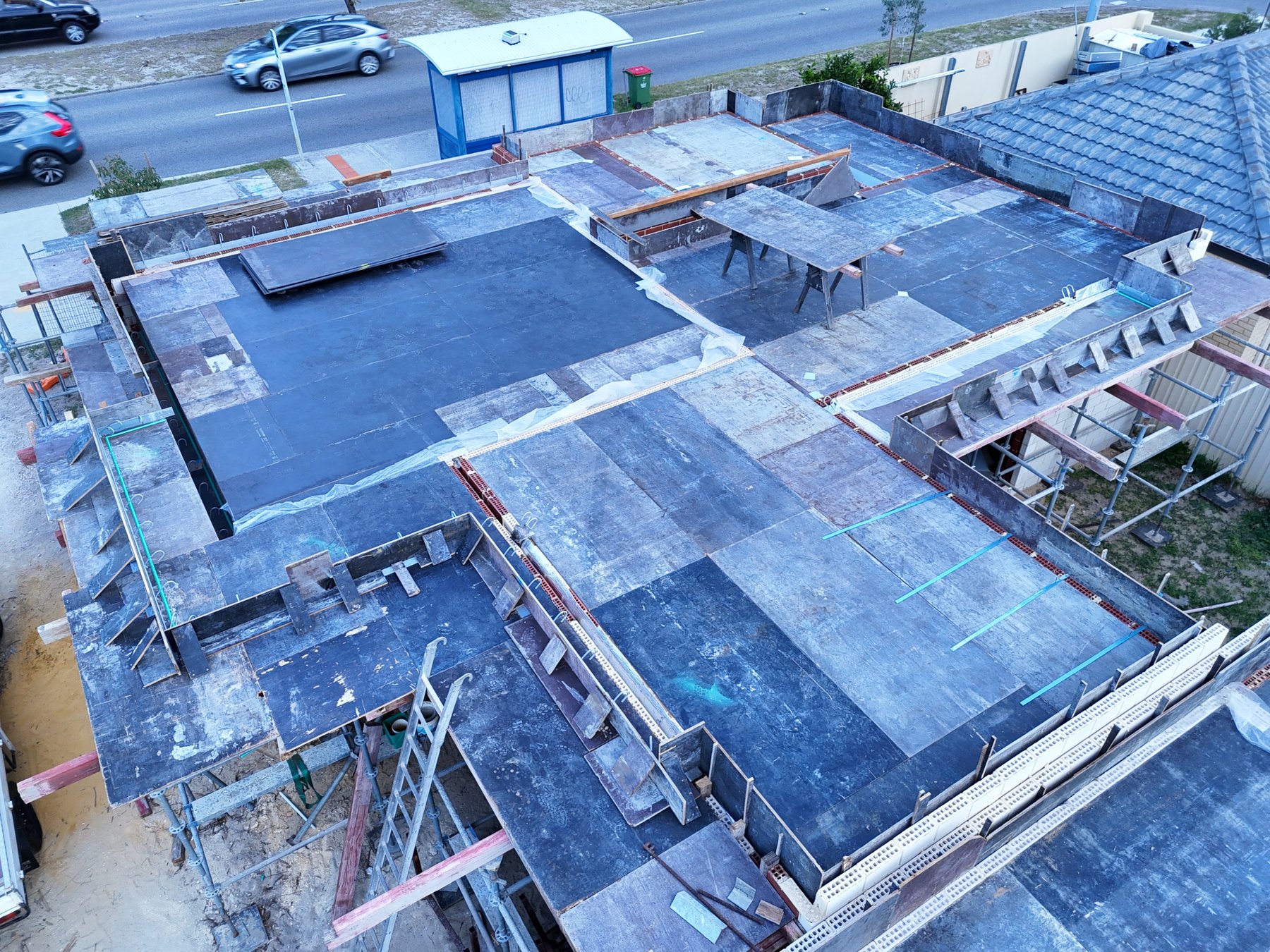
Formwork specialists use materials such as timber, plywood, steel systems, and modular frameworks to create accurate shapes for slabs, walls, columns, beams, and other concrete elements. The accuracy of this stage directly affects the final appearance and structural performance of the concrete.
Steel fixers, on the other hand, carefully measure, cut, bend, and secure reinforcing steel according to engineering drawings. This reinforcement helps concrete withstand tension, movement, and heavy loads over time.
What does formwork involve in construction?
Formwork is a temporary or permanent structure used to support concrete while it is poured and hardened. Without properly designed formwork, concrete would not maintain the correct shape or alignment during construction.
A formwork team typically handles tasks including:
- Reading structural drawings and construction plans
- Building moulds for slabs, walls, columns, and foundations
- Installing support systems and bracing
- Checking measurements and levels before concrete placement
- Removing temporary structures once the concrete has reached sufficient strength
Quality formwork requires precision because even small errors can affect finishes, dimensions, and project timelines. Poorly installed systems can lead to uneven surfaces, concrete defects, or delays during later construction stages.
In Australia, construction teams must follow relevant safety requirements and industry standards, including workplace health and safety obligations and engineering specifications provided for each project.
What does steel fixing involve in construction?
Steel fixing is the process of installing reinforcement materials inside concrete structures. Concrete performs extremely well under compression but is weaker when exposed to tension forces. Reinforcing steel improves its ability to handle these stresses.
Steel fixers commonly work with:
- Reinforcement bars (reinforcing steel or reo)
- Welded mesh
- Tie wire and fixing accessories
- Structural reinforcement cages
- Prefabricated steel components
The placement of reinforcement must match detailed engineering plans. Incorrect spacing, positioning, or securing of steel can affect the structural integrity of the finished building.
Experienced steel fixers understand how reinforcement interacts with concrete and ensure every component is installed correctly before the concrete pour begins.
How do formwork and steel fixing work together?
Although formwork and steel fixing are separate trades, they depend heavily on each other throughout the construction process. Steel reinforcement needs to be installed inside the correct formwork area, while formwork needs to provide enough space and support for reinforcement placement.
A typical construction sequence may include:
- Preparing the construction area and reviewing engineering plans.
- Installing formwork to create the required concrete shape.
- Positioning reinforcement steel according to specifications.
- Inspecting the completed setup before concrete placement.
- Pouring concrete and allowing it to cure properly.
- Removing temporary formwork where required.
Communication between these teams is essential. If measurements or installation details are incorrect, it can create costly delays and require adjustments before concrete can be poured.
Why both trades are essential for quality concrete structures
Strong concrete structures depend on both accurate formwork and correctly installed reinforcement. One trade creates the framework, while the other provides the internal strength needed to support loads and resist movement.
Projects such as apartment buildings, commercial facilities, retaining walls, bridges, and industrial structures all rely on these construction stages. Experienced contractors understand that attention to detail during these early phases can prevent expensive issues later.
Vidac Construction works with the understanding that every stage of construction contributes to the safety, quality, and performance of the final structure. Proper planning, skilled workmanship, and compliance with project requirements are essential for successful concrete outcomes.
Common mistakes to avoid during formwork and steel fixing
Construction issues often occur when these stages are rushed or not properly coordinated. Some common problems include:
- Incorrect measurements before concrete pouring
- Insufficient reinforcement placement
- Poor-quality materials or unsuitable systems
- Inadequate support for formwork structures
- Failure to follow engineering specifications
- Limited communication between construction teams
Avoiding these issues requires experienced professionals who understand drawings, materials, safety requirements, and construction processes.
When to Call a Professional
Professional construction support is recommended whenever your project requires reinforced concrete work, structural components, or detailed engineering compliance. Attempting complex formwork or reinforcement tasks without the correct skills can create safety risks and costly rectification work.
Vidac Construction can assist with projects requiring experienced construction knowledge, accurate preparation, and reliable workmanship. Working with a qualified team ensures your concrete structures are completed with proper planning and attention to detail.
If you are unsure about the requirements for your upcoming construction project, speaking with an experienced contractor can help you understand the correct approach before work begins.
Conclusion
The difference between formwork and steel fixing is that formwork creates the structure needed to shape concrete, while steel fixing provides the reinforcement required for strength and durability. Both trades are equally important and must be completed accurately for successful construction results.
Understanding these processes helps you appreciate the planning and expertise involved in creating reliable concrete structures. For professional construction support and quality workmanship, contact Vidac Construction to discuss your project requirements.
FAQ
What is the main difference between formwork and steel fixing?
Formwork creates the mould and support system for concrete, while steel fixing installs reinforcement materials that strengthen the concrete structure.
Is steel fixing required for every concrete project?
Not every small concrete application requires reinforcement, but structural projects commonly require steel reinforcement based on engineering specifications.
How long does formwork stay in place?
The timeframe depends on the concrete type, structural requirements, weather conditions, and engineering recommendations. Formwork is removed once the concrete reaches adequate strength.
Why is accurate steel placement important?
Correct steel placement ensures reinforcement performs as designed, helping the concrete structure handle expected loads and stresses safely.