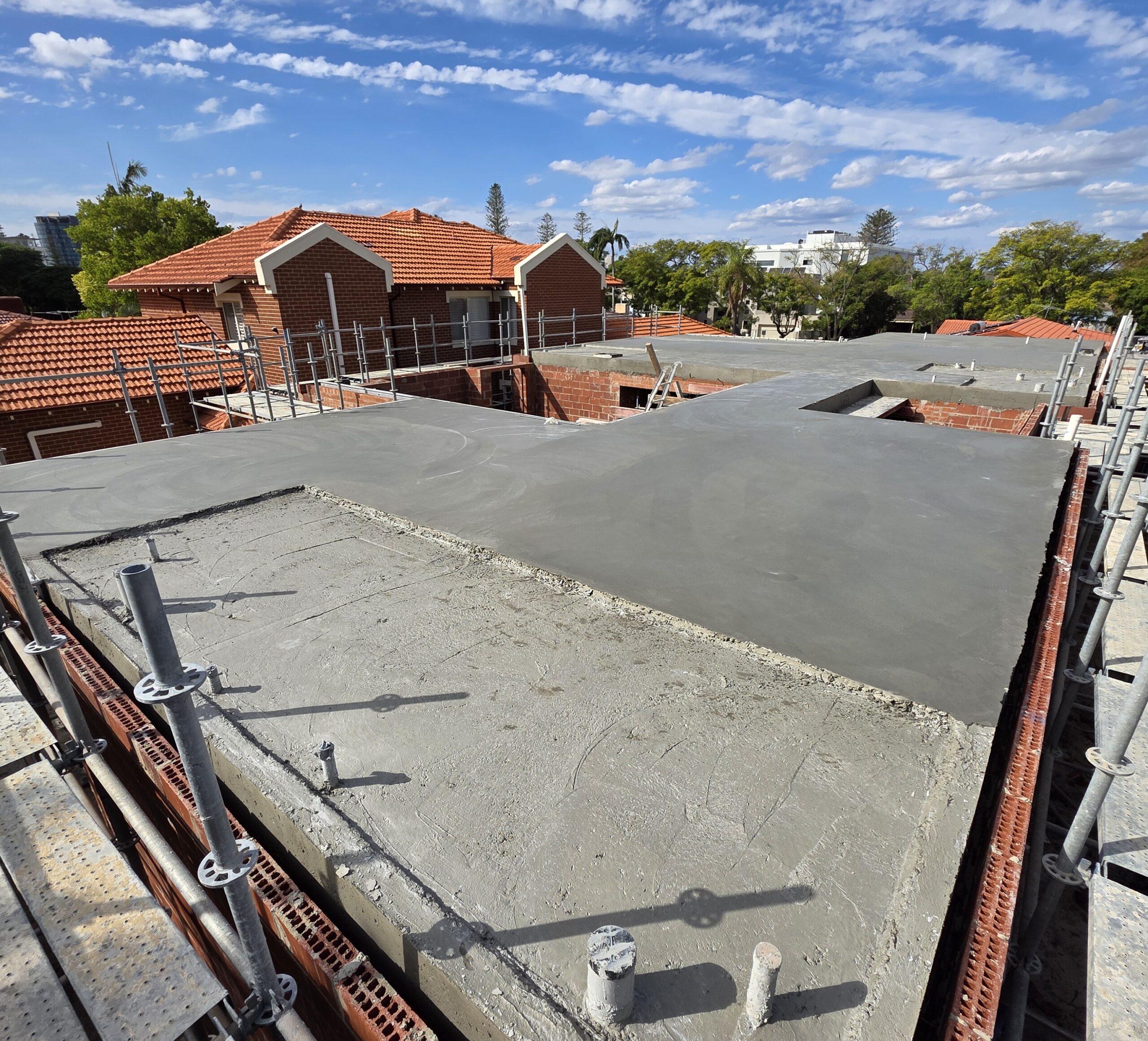
Structural concrete typically takes around 28 days to achieve its full design strength, although initial setting and early strength development occur much sooner. The exact curing period depends on factors such as concrete mix, weather conditions, project requirements and curing methods used. Understanding how long does structural concrete take to cure helps you plan construction timelines and avoid issues caused by premature loading.
Concrete curing is a critical part of any structural project because it allows the concrete to gain strength, durability and resistance against cracking. Whether used for foundations, slabs, retaining structures or commercial builds, proper curing ensures the finished structure performs as intended.
Why Structural Concrete Curing Time Matters
Concrete does not simply dry after it is poured. Instead, it undergoes a chemical process called hydration, where cement reacts with water to form strong binding compounds. This process continues over time, gradually increasing the concrete’s strength and stability.
A properly cured concrete structure can better withstand heavy loads, temperature changes and environmental conditions. Poor curing practices can lead to surface cracking, reduced strength and long-term durability problems.
For construction projects across Australia, managing curing correctly is especially important due to varied conditions, including hot temperatures, dry winds and changing moisture levels. These factors can influence how quickly water evaporates from fresh concrete and impact the final result.
How Long Does Structural Concrete Take to Cure?
When considering how long does structural concrete take to cure, the general industry guideline is that concrete reaches its full strength after approximately 28 days. However, the curing process happens in stages:
- First 24–48 hours: Concrete begins setting and develops enough strength for limited movement around the site.
- 7 days: Concrete may reach around 60–70% of its intended strength depending on the mix and conditions.
- 14 days: Significant strength development has occurred, although curing continues.
- 28 days: Concrete typically reaches its specified design strength and is considered fully cured for most standard applications.
Some projects may require longer curing periods, particularly where high-strength concrete, large structural elements or specific engineering requirements are involved.
Factors That Affect Concrete Curing Time in Australia
Several conditions can influence the rate at which structural concrete cures. Builders and contractors need to consider these factors during planning and installation.
Concrete Mix Design
The materials used in the concrete mixture directly affect curing performance. Different cement types, additives and strength ratings can change how quickly concrete develops its required properties.
High-strength concrete mixes may require specialised curing methods and closer monitoring to achieve the desired results.
Weather and Environmental Conditions
Temperature and moisture levels play a major role in concrete curing. Hot Australian conditions can cause water to evaporate too quickly, which may reduce strength development and increase the chance of cracking.
Cold temperatures can slow the hydration process, extending the time required before the concrete reaches its target strength.
Concrete Thickness and Structure Size
Large concrete structures retain heat differently compared with smaller slabs. Thick foundations, retaining walls and structural elements may require careful curing management to ensure consistent strength throughout the entire section.
Curing Methods Used
Proper curing involves maintaining suitable moisture and temperature conditions after concrete placement. Common curing methods include:
- Applying curing compounds to reduce moisture loss
- Covering concrete with protective materials
- Using water curing techniques where appropriate
- Controlling exposure to extreme temperatures
These methods help support steady strength development and improve the lifespan of the finished structure.
Common Mistakes That Can Affect Concrete Strength
Even high-quality concrete can experience problems if curing is not managed correctly. Some common mistakes include allowing concrete to dry too quickly, applying heavy loads too soon or removing supports before the structure has developed enough strength.
Working with experienced construction professionals helps ensure correct preparation, placement and curing practices are followed. Vidac Construction focuses on delivering structural concrete solutions that consider both performance requirements and Australian building conditions.
Australian Standards and Concrete Requirements
Structural concrete work in Australia is guided by industry standards, including AS 3600 Concrete Structures, which outlines requirements for concrete design and construction practices.
Following recognised standards helps ensure structures are built with appropriate strength, durability and safety considerations. Professional contractors also work alongside engineers and follow project specifications to meet required performance expectations.
Signs Structural Concrete May Not Have Cured Properly
While minor surface imperfections can occur naturally, certain warning signs may indicate curing problems. These can include:
- Excessive cracking across the concrete surface
- Crumbling or weak edges
- Uneven surfaces or poor finish quality
- Visible damage after loading
- Reduced resistance to wear and impact
Identifying these issues early can help prevent more significant structural concerns in the future.
When to Call a Professional
If you are unsure how long does structural concrete take to cure for your specific project, seeking professional advice can help prevent costly mistakes. Structural requirements vary depending on the type of construction, concrete mix and intended use.
Vidac Construction provides experienced construction services across Australia, helping clients understand the correct processes for structural concrete projects. Their team can assist with planning, preparation and construction solutions designed around project requirements.
Contact Vidac Construction to discuss your structural concrete needs and ensure your project follows the right approach from the beginning.
Conclusion
Understanding how long does structural concrete take to cure is essential for achieving a strong, durable and reliable structure. While 28 days is the common benchmark for full strength development, factors such as weather, concrete mix and curing techniques can influence the final timeline.
Proper curing protects your investment by improving strength, reducing cracking risks and supporting long-term performance. For professional guidance and quality structural concrete solutions, contact Vidac Construction today to discuss your upcoming project.
Frequently Asked Questions
How long before you can walk on structural concrete?
Most concrete surfaces can usually handle light foot traffic within 24–48 hours, depending on the concrete mix and environmental conditions. However, heavier use should wait until the concrete has developed sufficient strength.
Can structural concrete cure faster than 28 days?
Yes, some concrete mixes can achieve higher early strength through specialised formulations or curing methods. However, reaching full design strength commonly remains based around the 28-day benchmark.
Does hot weather affect concrete curing?
Yes. Hot conditions can increase evaporation and make moisture management more difficult. Proper curing methods help prevent premature drying and maintain concrete strength.
Why does concrete need to be cured?
Concrete needs curing to maintain moisture during hydration, allowing it to develop strength, durability and resistance against cracking over time.