Structural vs Decorative Concrete is an important consideration when planning any residential or commercial construction project. Structural concrete provides strength and support for foundations, slabs, and load-bearing elements, while decorative concrete focuses on improving the appearance of outdoor and indoor spaces. Choosing the right type depends on your project requirements, design goals, and long-term performance expectations.
Concrete is one of Australia’s most widely used construction materials due to its durability, versatility, and ability to handle different environmental conditions. However, not all concrete serves the same purpose. Understanding the differences between structural and decorative applications can help you make a more informed decision before starting your next project.
Understanding Structural vs Decorative Concrete
The main difference between structural and decorative concrete is the purpose it serves. Structural concrete is engineered to provide strength and stability, while decorative concrete is designed to enhance visual appeal. In many projects, both types can work together to create a strong and attractive finished result.
Structural concrete is commonly used in areas where safety and load capacity are critical. This includes foundations, footings, retaining walls, driveways requiring heavy-duty support, building slabs, and other essential construction components.
Decorative concrete, on the other hand, is used where appearance is a priority. It allows property owners to customise surfaces with different colours, textures, finishes, and patterns while still benefiting from concrete’s durability.
What Is Structural Concrete?
Structural concrete is specifically designed to support weight and withstand pressure over time. Engineers calculate the required strength based on factors such as building loads, soil conditions, climate, and intended use.
Common applications include:
- House foundations and footings
- Concrete slabs for buildings
- Retaining walls
- Structural columns and beams
- Commercial construction projects
- Heavy-duty concrete areas
In Australia, structural concrete projects must follow relevant building requirements and engineering specifications to ensure safety and durability. Standards such as AS 3600 provide guidance for the design and construction of concrete structures.
The quality of materials, correct reinforcement placement, proper curing, and professional installation all play an important role in achieving reliable structural performance.
What Is Decorative Concrete?
Decorative concrete is created to improve the appearance of concrete surfaces while maintaining practical benefits. It is often chosen for outdoor areas where homeowners want a balance between style, durability, and easy maintenance.
Popular decorative concrete options include:
- Exposed aggregate finishes
- Coloured concrete
- Stencilled concrete
- Polished concrete
- Textured finishes
- Decorative pathways and patios
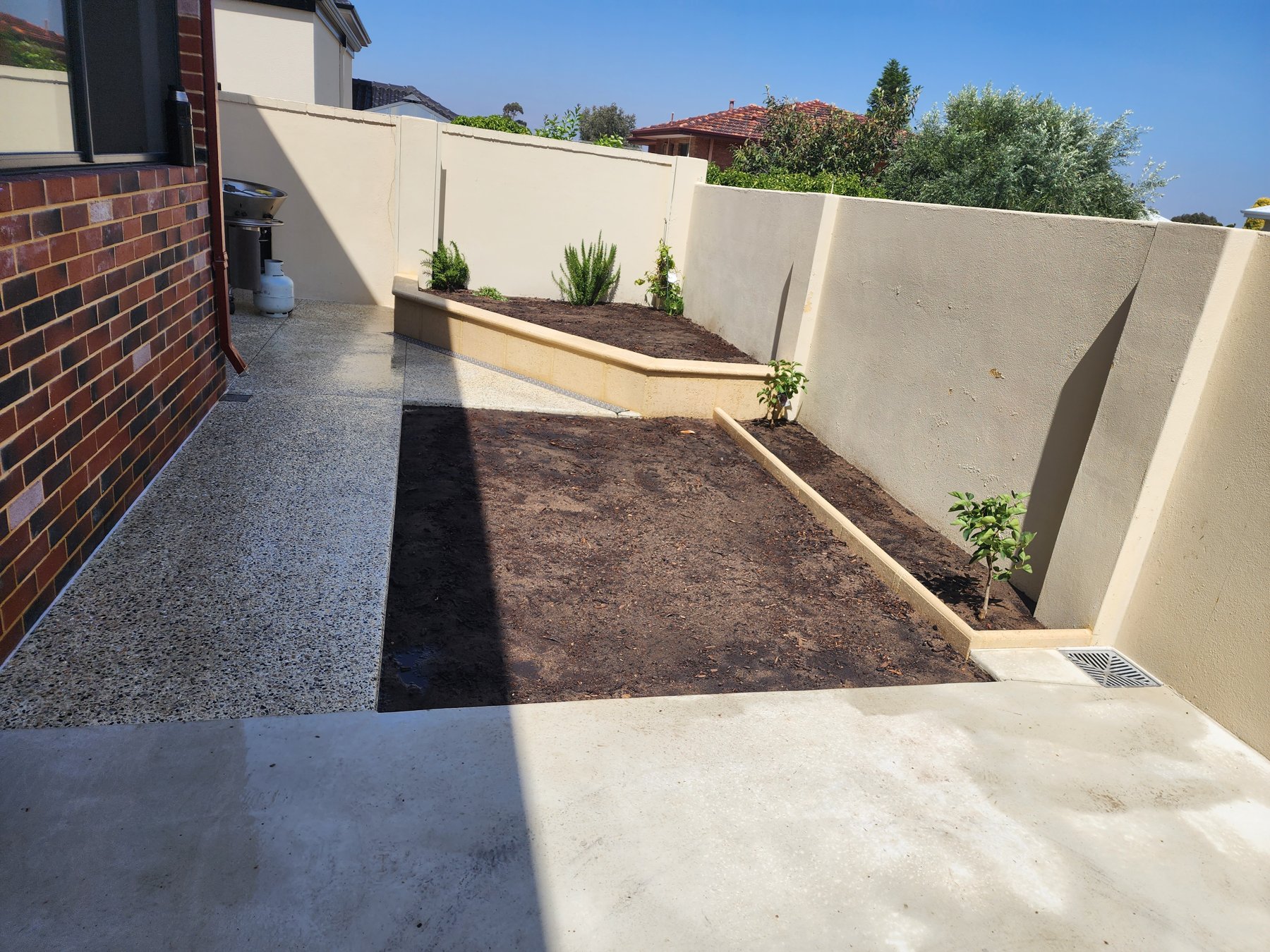
Decorative concrete is particularly popular for Australian homes because it suits outdoor living areas such as entertaining spaces, driveways, garden paths, and pool surrounds.
With the right finish and maintenance, decorative concrete can provide a long-lasting surface that improves the overall appearance and value of a property.
Key Differences Between Structural and Decorative Concrete
While both options use similar base materials, their design goals are very different.
Strength and Function
Structural concrete is engineered primarily for strength. It needs to safely support loads and withstand movement, weather exposure, and daily use.
Decorative concrete still provides durability but is mainly selected for its appearance and design flexibility.
Design Options
Structural concrete is usually covered, reinforced, or finished according to engineering requirements. Decorative concrete offers more freedom with colours, patterns, textures, and surface treatments.
Cost Considerations
The cost of concrete depends on factors such as project size, preparation work, materials, reinforcement, finishing techniques, and labour requirements.
Decorative concrete may have additional costs due to specialised finishes, but many homeowners consider the improved appearance and kerb appeal worthwhile.
Choosing the Right Concrete Solution for Your Project
Selecting between structural and decorative concrete depends on what you need the concrete to achieve.
Consider these factors before making a decision:
- Purpose of the area – Determine whether the concrete needs to provide structural support or mainly improve appearance.
- Expected usage – High-traffic areas may require stronger structural solutions.
- Design preferences – Decorative finishes provide more opportunities to customise your space.
- Maintenance requirements – Consider how much cleaning and upkeep the surface will require.
- Long-term performance – Choose materials and installation methods that suit your local environment.
For example, a residential driveway may require structural strength to handle vehicles, while decorative elements can be added to improve the finish. A patio area may not require the same engineering considerations but can benefit greatly from decorative treatments.
Why Professional Concrete Installation Matters
Concrete may appear simple, but achieving a quality result requires careful planning and experience. Poor preparation, incorrect reinforcement, or improper curing can lead to cracking, uneven surfaces, and reduced lifespan.
Experienced contractors understand how Australian conditions, including temperature changes, soil movement, and weather exposure, can affect concrete performance.
Vidac Construction focuses on delivering practical concrete solutions that suit different project requirements across Australia. From structural applications requiring strength and reliability to decorative finishes designed to enhance outdoor spaces, professional advice helps ensure the right approach from the beginning.
How Long Does Concrete Typically Last?
When correctly designed, installed, and maintained, concrete can provide decades of reliable performance. Structural concrete in well-built projects can last many years, while decorative surfaces can maintain their appearance with regular cleaning and appropriate sealing.
Factors that influence concrete lifespan include:
- Quality of materials used
- Ground preparation
- Reinforcement installation
- Drainage conditions
- Exposure to weather
- Maintenance practices
Regular inspections and timely repairs can help prevent minor issues from becoming larger problems.
When to Call a Professional
If you are unsure whether your project requires structural or decorative concrete, speaking with an experienced contractor can help you avoid costly mistakes. A professional can assess your site, understand your goals, and recommend the most suitable solution.
Vidac Construction can assist with expert concrete advice and quality workmanship for projects requiring reliable structural performance or visually appealing decorative finishes. Contact the team to discuss your upcoming concrete project and find the right solution for your needs.
Conclusion
Understanding the difference between structural vs decorative concrete helps you choose a solution that matches both your practical requirements and design goals. Structural concrete delivers essential strength and support, while decorative concrete adds style and character to finished spaces.
Whether you are building a new structure, upgrading an outdoor area, or planning a concrete feature, selecting the right approach is essential for long-term results. Vidac Construction provides professional concrete services designed around quality, durability, and customer needs. Get in touch today to discuss your project requirements.
FAQ
What is the main difference between structural and decorative concrete?
Structural concrete is designed to provide strength and support for construction elements, while decorative concrete focuses on improving the appearance of surfaces with colours, patterns, and finishes.
Can structural concrete also have decorative finishes?
Yes. Structural concrete can include decorative finishes where design and strength are both important, such as decorative driveways, architectural features, and outdoor areas.
Is decorative concrete as strong as regular concrete?
Decorative concrete can be very durable, but its primary purpose is appearance. The required strength depends on the mix design, installation method, and intended use.
How do I know which type of concrete I need?
The right choice depends on your project goals, location, expected usage, and engineering requirements. A professional concrete contractor can help determine the best option.