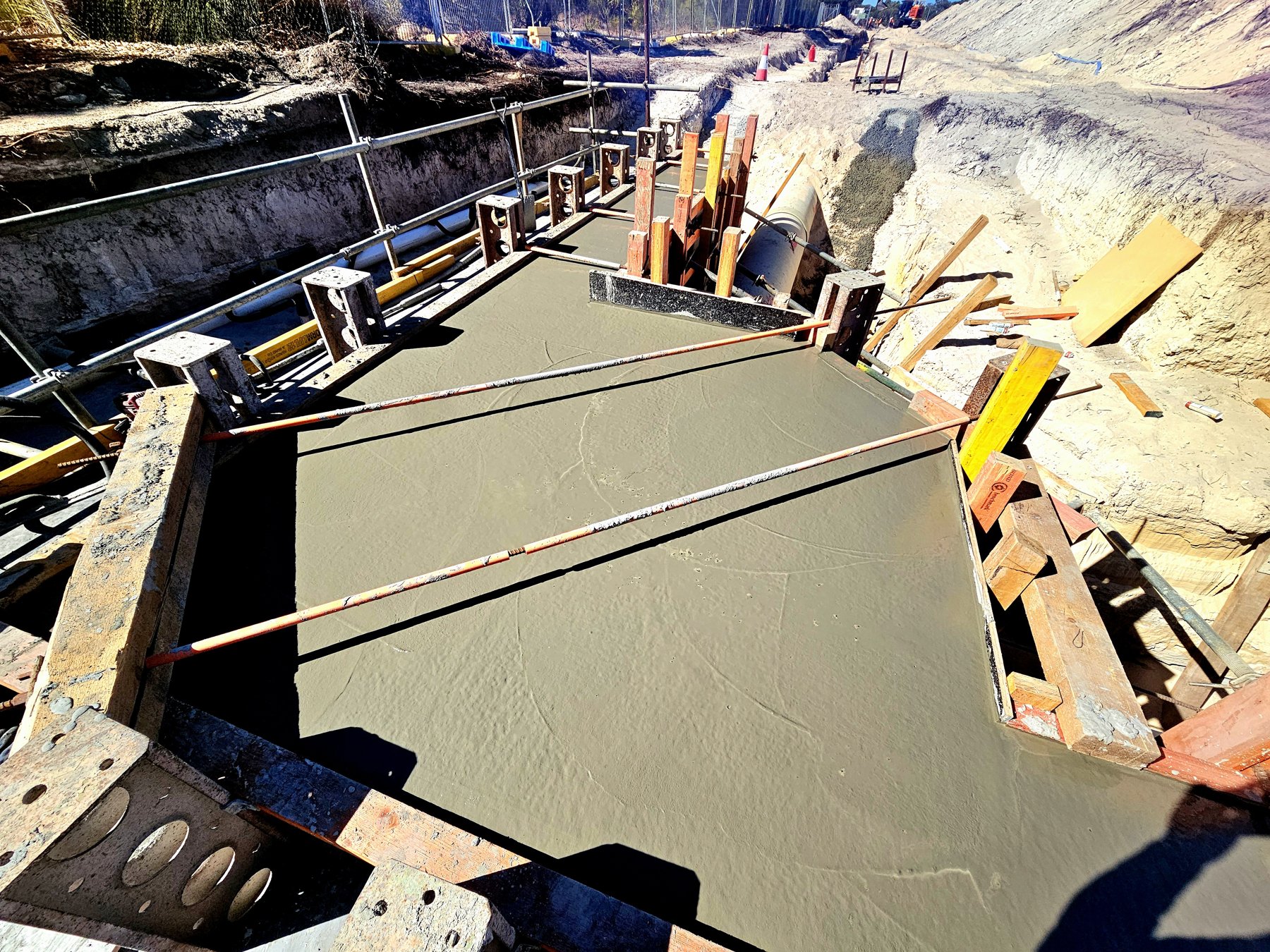
Preparing a site correctly before pouring concrete is one of the most important steps in creating a strong, long-lasting structure. How to Prepare a Site for a Concrete Pour involves clearing the area, checking ground conditions, establishing correct levels, preparing the base, and ensuring proper drainage before concrete placement begins.
Whether you are planning a driveway, slab, pathway, retaining structure, or commercial concrete project, proper preparation helps prevent cracking, sinking, uneven surfaces, and costly repairs later.
Why Proper Site Preparation Matters Before Concrete Pouring
Concrete is one of the most durable construction materials available, but its performance depends heavily on what happens before the concrete truck arrives. A poorly prepared site can lead to movement beneath the slab, water issues, premature deterioration, and structural problems.
Across Australia, soil conditions can vary significantly. Some areas experience reactive clay soils that expand and contract with moisture changes, while others may have sandy or unstable ground conditions. Understanding the site before construction begins allows the correct preparation methods to be used.
Vidac Construction understands that every concrete project starts below the surface. Careful planning and preparation create the foundation for a quality finish that lasts for years.
How to Prepare a Site for a Concrete Pour
The preparation process involves several important stages. Each step ensures the concrete has the right support and conditions to cure properly.
1. Assess the Site Conditions
Before any excavation begins, inspect the area carefully. A professional assessment should consider:
- Existing soil type and stability
- Drainage patterns
- Access for concrete trucks and equipment
- Existing structures or underground services
- Required slab depth and reinforcement needs
Checking these factors early helps avoid delays and unexpected issues during construction.
2. Clear and Excavate the Area
The first physical step is removing vegetation, debris, old materials, and any unsuitable ground. Grass, roots, loose soil, and organic materials should be removed because they can break down over time and create movement underneath the concrete.
Excavation depth depends on the type of project. For example, a residential driveway may require different preparation compared with a structural concrete slab.
The area should then be shaped to the required levels, allowing enough space for the sub-base, reinforcement, and concrete thickness.
3. Prepare a Stable Sub-Base
A strong sub-base is essential for preventing future settlement. Most concrete projects require a compacted layer of suitable aggregate material beneath the slab.
The sub-base should be:
- Evenly spread across the area
- Properly compacted using suitable equipment
- Free from soft spots or loose materials
- Correctly graded for drainage
Compaction reduces movement and creates a stable surface for the concrete to sit on.
4. Check Levels and Install Formwork
Accurate levels ensure the finished concrete surface has the correct height, slope, and appearance.
Formwork is installed around the edges of the concrete area to hold the wet concrete in place while it sets. Quality formwork helps create clean edges and prevents concrete from spreading beyond the intended area.
For outdoor concrete areas, correct falls and drainage planning are especially important to direct water away from buildings and prevent pooling.
5. Add Reinforcement Where Required
Depending on the project requirements, reinforcement may be needed to improve strength and reduce cracking.
Common reinforcement options include:
- Steel reinforcement mesh
- Reinforcing bars
- Fibre reinforcement
The correct reinforcement choice depends on factors such as concrete thickness, expected loads, soil conditions, and building requirements.
Australian construction projects may also need to consider relevant standards, including requirements outlined in Australian Standard AS 3600 for structural concrete design and construction.
6. Plan Concrete Delivery and Placement
Good preparation also includes organising the concrete pour itself. Before delivery day, confirm:
- Concrete quantity required
- Access points for delivery vehicles
- Weather conditions
- Placement equipment
- Finishing requirements
Concrete begins setting soon after mixing, so efficient planning helps ensure the material is placed and finished correctly.
Common Mistakes to Avoid Before a Concrete Pour
Many concrete problems occur because preparation steps are rushed or skipped. Avoid these common mistakes:
- Pouring concrete over unstable soil
- Failing to compact the sub-base properly
- Ignoring drainage requirements
- Using incorrect concrete thickness
- Not allowing enough access for equipment
- Pouring during unsuitable weather conditions
Taking extra time during preparation can significantly improve the lifespan and appearance of the finished concrete surface.
Signs Your Site Needs Professional Concrete Preparation
While smaller projects may appear straightforward, many concrete jobs require specialised knowledge and equipment. Professional preparation is especially important when dealing with:
- Sloping or uneven blocks
- Poor drainage areas
- Large slabs or commercial surfaces
- Heavy vehicle access areas
- Difficult soil conditions
An experienced contractor can identify potential issues before they become expensive problems.
When to Call a Professional
If you are planning a new concrete project and want reliable preparation from the beginning, working with an experienced contractor can make a significant difference. Vidac Construction provides professional concrete services with careful attention to ground preparation, site conditions, and quality workmanship across Australia.
Contact Vidac Construction to discuss your upcoming concrete project and ensure your site is properly prepared before pouring begins.
Conclusion
A successful concrete project starts long before the concrete is delivered. Proper excavation, ground assessment, sub-base preparation, reinforcement, and accurate planning all contribute to a stronger and more durable result.
Understanding How to Prepare a Site for a Concrete Pour helps property owners make informed decisions and avoid common construction issues. With professional guidance from Vidac Construction, you can create a solid foundation for concrete work that is built to perform for years.
Frequently Asked Questions
How long does site preparation take before pouring concrete?
The preparation time depends on the project size, soil conditions, excavation requirements, and access. Small residential projects may take a day, while larger projects can require several stages of preparation.
Can concrete be poured directly onto soil?
Concrete should generally not be poured directly onto loose soil. A properly prepared and compacted sub-base provides stability and helps reduce cracking and movement.
What needs to be checked before a concrete pour?
Before pouring, contractors should check ground stability, excavation depth, drainage, levels, reinforcement requirements, formwork, and access for concrete delivery.
Does weather affect concrete pouring?
Yes. Extreme heat, heavy rain, or cold conditions can affect concrete placement and curing. Planning the pour around suitable conditions helps achieve better results.