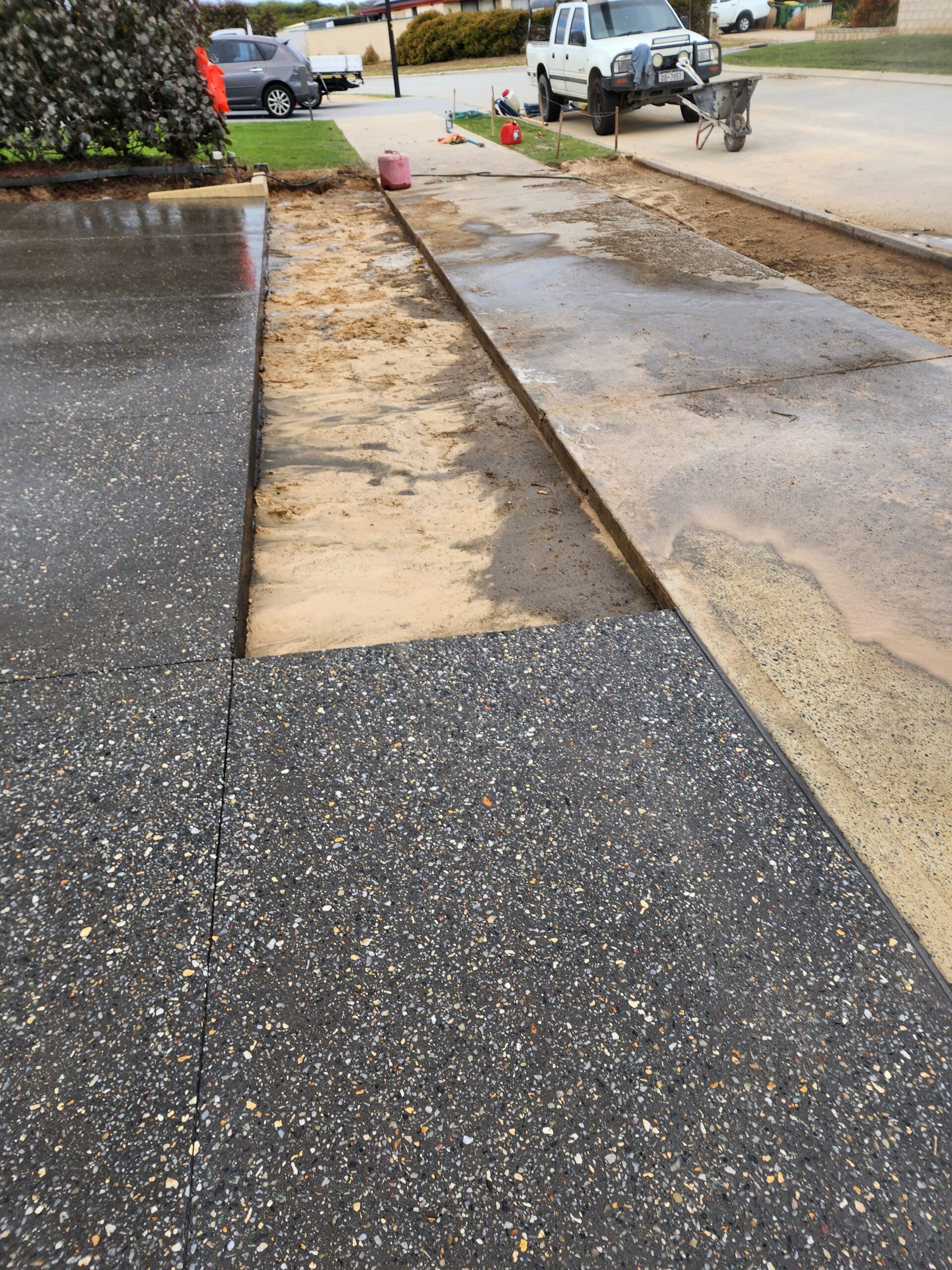
Concrete typically requires around 28 days to fully cure before it reaches its maximum strength, although it can often handle light use much earlier. In most cases, concrete can be walked on after 24–48 hours and may support light vehicle traffic after about 7 days, depending on the mix, weather conditions, and project requirements.
Understanding How Long Should Concrete Cure Before It Is Used is important for protecting your investment and preventing issues such as cracking, surface damage, and reduced durability. Whether you are installing a driveway, slab, pathway, foundation, or commercial structure, allowing adequate curing time helps your concrete perform as designed.
Concrete curing is not simply about waiting for the surface to feel dry. It is a chemical process called hydration, where cement reacts with water to build strength over time. Rushing this process can compromise the long-term performance of your concrete.
What Does Concrete Curing Actually Mean?
Many people assume concrete becomes strong because it dries out, but curing works differently. Concrete gains strength through hydration, which requires the right balance of moisture and temperature during the early stages.
During curing, water reacts with cement particles inside the mix, creating the bonds that give concrete its strength and durability. If concrete dries too quickly, this reaction slows down, which can lead to weaker concrete and increased cracking.
Professional concrete contractors understand that curing is one of the most important stages of any concrete project. Vidac Construction focuses on proper preparation, quality materials, and suitable curing practices to help ensure reliable results for residential and commercial applications.
How Long Should Concrete Cure Before It Is Used?
The required curing time depends on what the concrete will be used for and how much weight it needs to support. While every project is different, the general timeline looks like this:
- First 24–48 hours:
Concrete begins setting and becomes firm enough for careful light foot traffic. Avoid placing heavy objects or creating pressure on the surface. - After 7 days:
Concrete has usually gained a significant amount of its strength and may support lighter loads, including some passenger vehicles on suitable slabs. - After 28 days:
Concrete generally reaches its intended design strength and is considered fully cured for most applications.
The exact timeframe can vary depending on slab thickness, concrete mix design, temperature, moisture levels, and environmental conditions.
Factors That Affect Concrete Curing Time in Australia
Australian conditions can have a major impact on how concrete cures. Hot temperatures, strong winds, and low humidity can cause moisture to evaporate too quickly, affecting the final strength of the slab.
Some key factors that influence curing include:
- Weather conditions: Extreme heat can accelerate moisture loss, while colder conditions can slow strength development.
- Concrete thickness: Thicker slabs may require more careful curing management.
- Concrete mix: Different mixes are designed for different strength requirements and applications.
- Moisture retention: Keeping concrete adequately moist during the early curing period supports better hydration.
- Project requirements: A residential pathway and a heavy-duty commercial slab will have different curing expectations.
In areas across Australia, contractors must consider local climate conditions before deciding when concrete is ready for use.
Why Proper Concrete Curing Matters
Allowing concrete to cure correctly provides several long-term benefits. A rushed curing process may save a small amount of time initially but can create expensive repair problems later.
Proper curing helps improve:
- Overall concrete strength
- Resistance to cracking and surface damage
- Durability against weather exposure
- Long-term structural performance
- Surface finish quality
Australian construction practices often refer to recognised concrete standards, including requirements around concrete quality, testing, placement, and curing procedures. Following correct processes helps ensure the finished structure meets expected performance levels.
Can You Walk or Drive on Concrete Before It Fully Cures?
Yes, but only for specific types of use. Concrete may feel solid after a couple of days, but it is still developing internal strength.
Walking carefully on a concrete surface after 24–48 hours is generally acceptable. However, heavier activities should wait longer.
Before using newly poured concrete, consider:
- Avoid dragging furniture or equipment across the surface
- Keep vehicles away until the slab has gained enough strength
- Avoid heavy machinery unless approved by your contractor
- Protect the surface from unnecessary impact
For driveways, waiting at least a week before allowing normal passenger vehicles is commonly recommended, while heavier vehicles should generally wait closer to full curing.
Common Mistakes That Damage Fresh Concrete
Even a well-designed concrete mix can suffer if it is not properly cared for after installation.
Some common mistakes include:
- Using the concrete too soon
- Allowing the surface to dry too quickly
- Placing excessive weight on fresh concrete
- Ignoring weather conditions
- Skipping proper curing methods
Concrete needs time to develop its internal strength. Giving it the correct curing period helps prevent avoidable issues and ensures the finished surface lasts longer.
How Professionals Manage Concrete Curing
Experienced concrete contractors use several methods to protect concrete during curing. These may include applying curing compounds, maintaining moisture levels, using protective coverings, and monitoring environmental conditions.
The right approach depends on the project type. A residential outdoor slab may require different curing methods compared with a commercial concrete structure carrying heavier loads.
Vidac Construction understands that quality concrete work involves more than pouring and finishing. Proper planning, preparation, and curing all contribute to achieving a durable final result.
When to Call a Professional
If you are unsure whether your concrete is ready for use, it is best to speak with an experienced concrete contractor before placing heavy loads on the surface.
Vidac Construction can help with professional concrete solutions across Australia, from new slabs and structural concrete work to detailed outdoor concrete projects. Their team can assess your project requirements and provide advice on suitable curing times, materials, and installation methods.
Getting expert guidance early can help prevent costly repairs and ensure your concrete performs well for years to come.
Conclusion
Understanding How Long Should Concrete Cure Before It Is Used helps you make better decisions about protecting your concrete investment. While light use may be possible within a few days, most concrete requires around 28 days to achieve full strength.
Proper curing improves durability, reduces cracking risks, and ensures your concrete structure can handle the demands it was designed for. Whether you are planning a driveway, slab, pathway, or larger construction project, working with experienced professionals like Vidac Construction can help you achieve a strong and reliable result.
Frequently Asked Questions
How long does concrete take to fully cure?
Concrete generally takes around 28 days to reach its full design strength under normal conditions. However, it continues gaining strength beyond this period as hydration continues.
Can concrete be used after 7 days?
Concrete may support lighter loads after around 7 days, but it has not yet reached full strength. Heavy loads should usually wait until the full curing period has been completed.
Does hot weather affect concrete curing time?
Yes. Hot Australian weather can cause moisture to evaporate too quickly, which may reduce concrete strength. Proper curing methods help protect the slab during warmer conditions.
What happens if you use concrete too early?
Using concrete before it has cured sufficiently can cause cracking, surface damage, reduced strength, and long-term durability problems. Waiting the recommended curing period helps avoid these issues.